


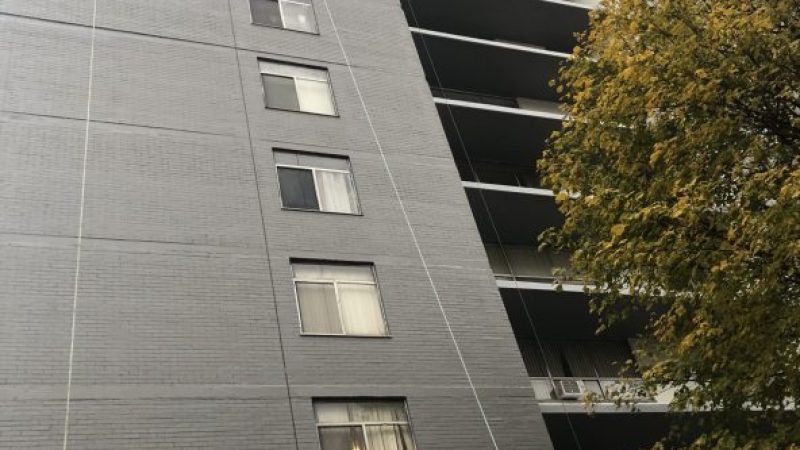
Concrete is one of the strongest and most durable construction materials available, forming the backbone of Toronto’s residential, commercial, and infrastructure landscape. From high-rise balconies overlooking the skyline to underground parking garages and residential foundations, reinforced concrete supports the city’s built environment. However, even this robust material is not invincible. Over time, exposure to moisture, relentless freeze-thaw cycles, de-icing salts, and natural aging can cause significant deterioration .
Professional structural concrete repair in Toronto is essential for restoring the integrity and safety of buildings, balconies, parking garages, foundations, and commercial structures. The key to cost-effective maintenance lies in addressing minor issues before they escalate into major liabilities. Many property owners make the costly mistake of ignoring small cracks and surface damage, assuming they are merely cosmetic. Unfortunately, this delay often leads to expensive, large-scale reconstruction projects that could have been avoided with timely intervention .
Investing in early structural concrete restoration is one of the smartest financial decisions a property owner can make. It not only protects your property but also safeguards your budget from the shock of emergency repairs. This article explores the common signs of concrete damage, the substantial benefits of early repair, and why proactive maintenance is crucial for Toronto properties.
The High Cost of Delay: Why Early Repairs Matter
Toronto’s climate is particularly harsh on concrete structures. The combination of cold winters, freeze-thaw cycles, and the widespread use of road salts creates an aggressive environment that accelerates concrete deterioration . When water seeps into microscopic cracks and freezes, it expands, widening the crack and allowing more water to penetrate. This cycle progressively weakens the concrete from within.
Delaying repairs turns what could be a minor, inexpensive fix into a major structural project. For example, a small crack that could be sealed for a few hundred dollars can, if left untreated, lead to spalling (chipping or flaking concrete), exposing reinforcing steel to moisture . Once the steel begins to rust, it expands and puts pressure on the surrounding concrete, causing further cracking and delamination. At this stage, repairs become significantly more complex and costly.
This principle is evident even at the municipal level. The Toronto Parking Authority’s State of Good Repair (SOGR) strategy systematically assesses and restores its parking garages. The restoration of Car Park 43, a six-level parking structure, was divided into two stages. The combined budget for the concrete restoration, waterproofing, and drainage upgrades on both the west and east sides of the facility exceeded $20 million. This large-scale, multi-year project illustrates the immense expense of deferred maintenance on a major scale .
However, the cost comparison is stark when applied to smaller-scale projects. Professional concrete repair typically costs 40 to 70 percent less than full replacement . Overlay systems can reduce project costs by 30 to 60 percent compared to complete removal and replacement . By acting early, property owners can avoid the extensive demolition, disposal, and reconstruction timelines that drive up costs and disrupt operations.
Common Signs You Need Structural Concrete Repair
Recognizing the early warning signs of concrete deterioration is the first step in saving thousands in restoration costs. If you notice any of the following issues on your property, it is time to schedule an inspection .
Cracked Concrete Surfaces
While some hairline cracks may be superficial, visible cracks on floors, walls, foundations, or balconies can indicate deeper structural concerns. Cracks that are widening, spreading, or accompanied by a height difference (creating a trip hazard) are particularly serious .
Spalling Concrete
Concrete that is chipping, flaking, or pitting—known as spalling—is a clear sign of moisture damage. This often occurs on surfaces exposed to water and freeze-thaw cycles, such as balconies, parking garages, and exterior steps .
Exposed Reinforcement Steel
When concrete spalls away, it can expose the reinforcing steel (rebar) within. If you see rusting rebar, this indicates that the concrete has lost its protective cover, and the steel is actively corroding, which compromises the structural strength of the element .
Water Infiltration
Moisture penetration is both a cause and a symptom of concrete deterioration. Water stains, damp patches, or active leaks in basements, garages, or balconies indicate a failure in the concrete’s waterproofing barrier and accelerate the damage process .
Benefits of Structural Concrete Repair in Toronto
Investing in professional structural concrete repair offers numerous advantages that extend far beyond aesthetics .
- Extends Building Lifespan: Repairing damage prevents it from spreading and compromising the core structural integrity, adding decades of life to the structure.
- Prevents Structural Failures: Addressing issues like cracked slabs and spalling columns early mitigates the risk of catastrophic and dangerous structural collapses, ensuring the safety of occupants and the public .
- Reduces Repair Costs: As highlighted, repair-first strategies are significantly less expensive than full replacement, protecting your long-term budget .
- Improves Property Safety: Cracks and spalls create tripping hazards and potential falling debris. Repairing these issues reduces liability and creates a safer environment for residents, employees, and visitors .
- Maintains Building Value: A well-maintained property retains its value and appeal. Damaged concrete is a strong deterrent for potential buyers or tenants. Conversely, a restored garage or balcony enhances curb appeal and property value .
Conclusion
For property owners in Toronto, proactive maintenance of structural concrete is not merely a matter of aesthetics; it is a critical financial and safety imperative. The city’s harsh climate accelerates concrete deterioration, making early detection and timely professional repairs essential. By addressing small cracks, spalling, and water infiltration immediately, you can avoid the need for massive, expensive reconstruction projects. Whether you own a home, manage a condo corporation, or operate a commercial facility, investing in professional structural concrete repair helps preserve the integrity of your building, improves safety, and protects your financial investment for years to come.
Frequently Asked Questions (FAQs)
Q1: What causes structural concrete damage?
The primary causes are moisture, corrosion of reinforcing steel, aging, and temperature fluctuations, particularly freeze-thaw cycles common in Toronto .
Q2: Can damaged concrete be repaired instead of replaced?
In many cases, yes. Concrete repair is a viable option for localized damage, surface cracking, and spalling. Replacement is typically only recommended when a slab suffers from structural failure or widespread deterioration .
Q3: How long do professional concrete repairs last?
A professionally done repair in Toronto should last 10 to 20 years or more with proper sealing and maintenance. The use of high-quality, industrial-strength materials is key to longevity .
Q4: Are structural cracks dangerous?
They can be. Cracks that show signs of movement, a height difference, or are widening may indicate serious structural issues and should be inspected by a professional immediately .
Q5: When should concrete damage be inspected?
As soon as signs of deterioration appear. Early intervention is the best way to prevent minor issues from becoming major, costly problems.
Q6: How much does concrete repair cost in Toronto?
Costs vary based on the damage extent. General ranges include $5–$10 per square foot for crack patching and $7–$12 per square foot for resurfacing. Porch and step repairs start around $800. This is still significantly less than full replacement .
Q7: Can I fix concrete cracks myself?
Minor, stable cracks can be a DIY project. However, if there is a height change, the crack is widening, or water is entering, you should call a professional .
Q8: What is concrete spalling?
Spalling is the chipping, flaking, or pitting of a concrete surface. It is often caused by moisture damage and freeze-thaw cycles .
Q9: How does Toronto’s climate affect concrete?
Toronto’s freeze-thaw cycles are a primary cause of concrete damage. Water enters cracks, freezes, expands, and enlarges the cracks. De-icing salts also accelerate surface scaling and spalling .
Q10: What are the benefits of repairing concrete vs. replacing it?
Repair is generally faster, less disruptive, and costs 40–70% less than full replacement. It also extends the structure’s life and improves safety and aesthetics without the need for a full rebuild .