


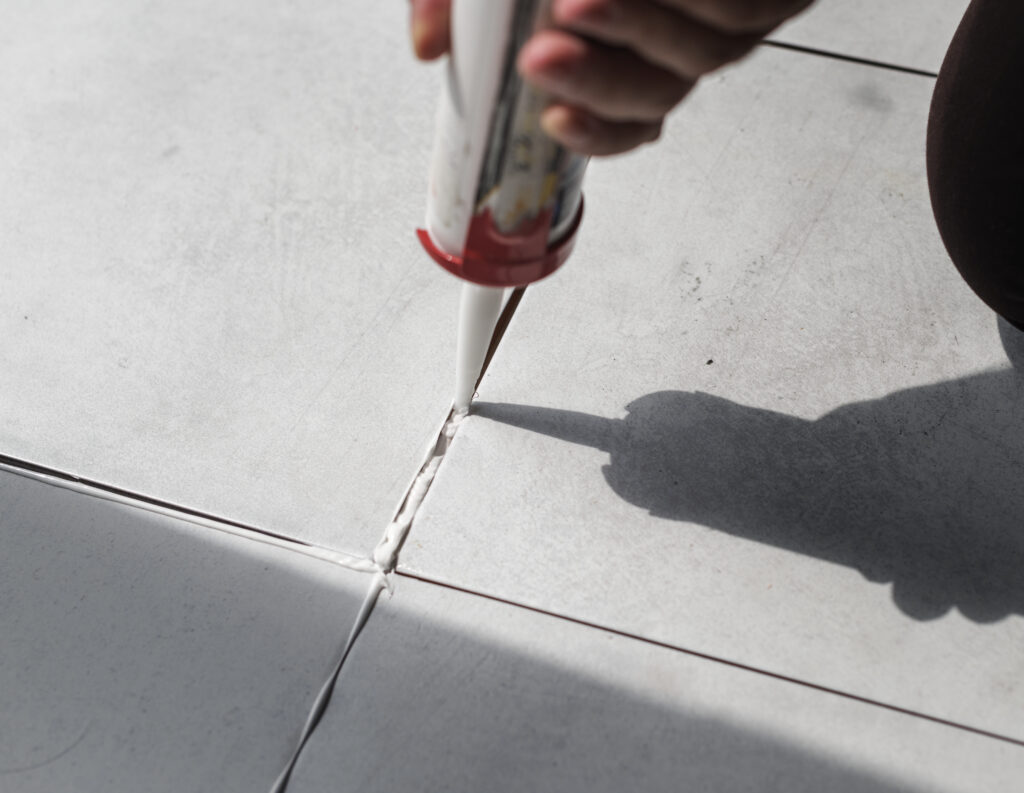
The $5 tube of caulk from your local hardware store will cost you 3x more over 10 years than professional-grade sealant. Here is why.
Cheap sealants crack, shrink, and peel within 1 to 3 years. Water gets through. Damage starts. Then you pay for the repair again and again.
Choosing the right sealant the first time saves money and protects your home. In this guide, we compare silicone, polyurethane, and hybrid MS polymers. We explain which sealant works best for windows, concrete, roofs, and exterior walls.
Why Most Hardware Store Sealants Fail
Walk down the caulk aisle at any store. You will see dozens of inexpensive tubes. Most are acrylic or latex-based. These products look fine for a few months. Then they fail.
Acrylic Latex Sealants
These are the cheapest option. They cost 3to8 per tube. But they shrink significantly as they dry. They become rigid and brittle. One Toronto winter with 40 freeze-thaw cycles will crack them open. Water gets in. The cycle repeats.
The Real Cost of Cheap Sealant
A typical window needs about 2 tubes of sealant. Cheap acrylic costs 10.Professional−gradesealantcosts40. That is a $30 difference.
But cheap sealant fails in 1-2 years. Professional sealant lasts 15-20 years. Over 20 years, you will buy cheap sealant 10 times. Total cost: 100plusyourtimeandlabor.Professionalsealantcosts40 once. The math is clear.
Comparison: Silicone vs Polyurethane vs Hybrid MS Polymer
Professional sealants fall into three main categories. Each has different strengths.
| Property | 100% Silicone | Polyurethane | Hybrid MS Polymer |
|---|---|---|---|
| Lifespan | 20-25 years | 10-15 years | 15-20 years |
| Flexibility | Excellent (700%+ elongation) | Good (400-600%) | Very Good (500-700%) |
| UV Resistance | Excellent | Poor (needs coating) | Very Good |
| Paintable | No (paint peels off) | Yes | Yes |
| Best Use | Windows, glass, metal | Concrete, masonry driveways | Exterior walls, balconies, roofs |
| Cost per Tube | $12-25 | $10-20 | $15-30 |
| Application Difficulty | Moderate (sticky) | Moderate | Easy (tooling friendly) |
Where to Use Each Sealant Type
Silicone Sealants (Best for Windows and Glass)
Silicone is the king of flexibility and UV resistance. It does not crack or harden for decades. It also bonds perfectly to glass and metal.
Use silicone for:
- Window perimeter seals
- Glass to metal connections
- Bathroom and kitchen fixtures
- Any smooth, non-porous surface
Do not use silicone on concrete or masonry. It does not bond well to porous surfaces. Also, you cannot paint silicone. For window and door work combined with painting, see our Windows & Doors Installation services.
Polyurethane Sealants (Best for Concrete and Masonry)
Polyurethane is tough. It bonds aggressively to concrete, brick, and stone. It handles foot traffic and vehicle weight well.
Use polyurethane for:
- Concrete cracks and expansion joints
- Masonry wall joints
- Driveway and garage floor joints
- Sidewalk and step repairs
Do not use polyurethane where direct sunlight hits. UV rays break it down in 1-2 years. You must coat it with paint or a UV-resistant top coat.
Hybrid MS Polymer (Best for Exterior Walls and Balconies)
MS Polymer stands for Modified Silane Polymer. It combines the best features of silicone and polyurethane. It stays flexible like silicone. But it can be painted like polyurethane. It also bonds to almost any surface.
Use hybrid MS Polymer for:
- Exterior wall panel joints
- Balcony perimeter seals
- Roof flashing and membrane seams
- Siding and trim joints
- Stucco crack repairs
For most Toronto homes, MS Polymer is the best all-around choice. It handles our climate’s temperature swings. It also sticks to wood, concrete, metal, and stucco equally well. Learn more in our Stucco Contractors guide.
Professional Application vs. DIY
Professional-grade sealant in a skilled hand lasts 15+ years. The same sealant applied by a beginner may fail in 5 years. Here is why.
Surface Preparation is 80% of Success
- All old sealant must be completely removed
- Surfaces need cleaning with a solvent
- Some materials require a primer
- The joint needs the correct depth-to-width ratio
Backer Rod is Mandatory
Never fill a deep joint completely with sealant. It will crack. You must use foam backer rod to fill the gap first. Then apply sealant only 1/4 to 1/2 inch deep.
Tooling and Shaping
The sealant needs tooling (smoothing) within minutes of application. This presses it into the joint and creates the correct shape. Miss this window, and the sealant will not bond properly.
For critical building envelope seals, trust a professional. Read about our Caulking & Sealant Repair services.
Frequently Asked Questions
Q1: Can I put new sealant over old sealant?
A1: No. New sealant will not bond to old, cured sealant. You must remove all old material completely. Then clean the surface before applying fresh sealant.
Q2: How do I know if my sealant has failed?
A2: Look for cracks, gaps, shrinking, or peeling. Also check for water stains on interior walls near windows or doors. These signs mean water is getting through.
Q3: What is the best sealant for balconies?
A3: Use a hybrid MS Polymer or a specialized deck coating. Avoid silicone and standard polyurethane for balcony floors. Balconies need a waterproofing membrane, not just sealant.
Q4: How long should I wait before painting over sealant?
A4: Check the product label. Most polyurethane and MS Polymer sealants need 24 to 72 hours of curing before painting. Painting too early traps solvents and causes bubbling.
Q5: Does sealant color matter?
A5: Yes. Clear sealant fails faster because UV light penetrates it. Use a colored sealant (white, grey, tan, black) for exterior applications. The pigment blocks UV damage.
Conclusion
Choosing the right sealant saves you thousands of dollars over time. Silicone works best for windows. Polyurethane handles concrete joints. Hybrid MS Polymer is the superior choice for most exterior walls and balconies. Never buy cheap acrylic sealant for exterior use. It will fail within one Toronto winter.
Are your windows drafty? Are your concrete joints cracking? Do you see peeling sealant around your balcony? Contact Kavern Restoration today. We provide expert Caulking & Sealant Repair and Building Waterproofing. Ask for a free inspection and estimate.