


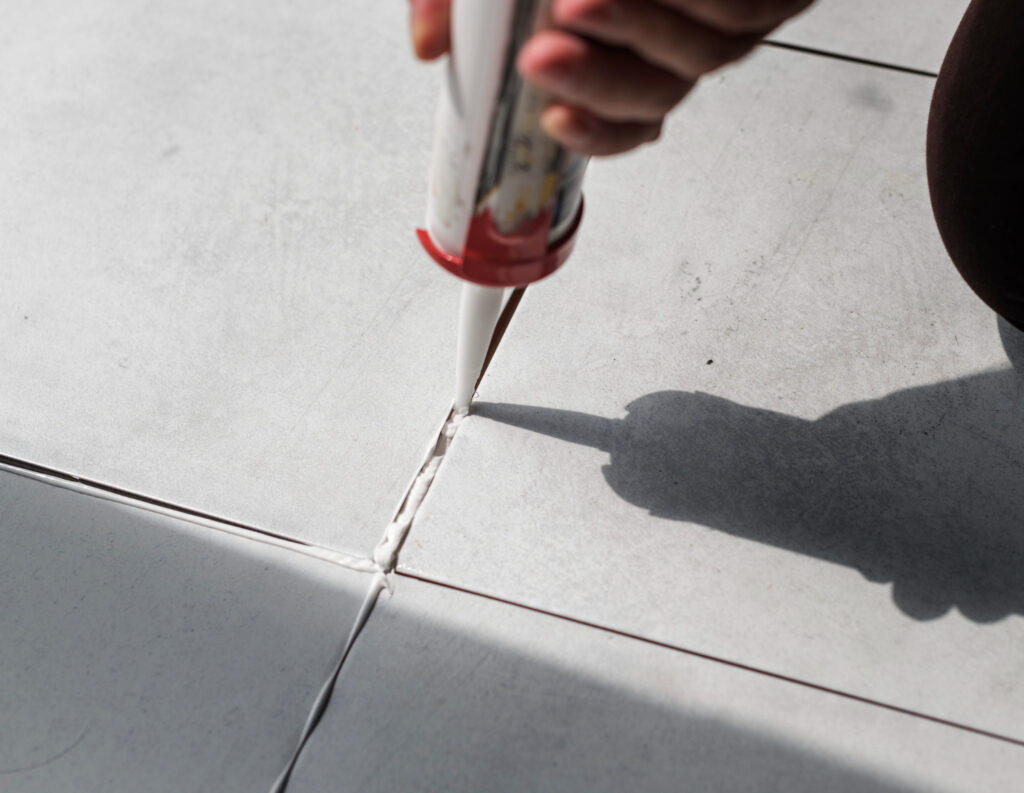
Epoxy vs polyurethane crack injection: which one do you need? Epoxy bonds a crack back together and restores strength, so it suits stable, dry, structural cracks. Polyurethane stays flexible and reacts with water to seal out leaks, so it suits leaking or slightly moving cracks. Choosing by habit instead of crack behaviour is how repaired cracks reopen.
A crack that comes back after repair is rarely bad luck. It is usually the wrong resin for what the crack was doing, or a repair that never addressed why the crack formed.
At Kavern Building Restoration, we repair cracked concrete in foundations, parking garages and building structures through our concrete repair work across Ontario. This guide explains how the two resins differ, how to match one to your crack, and when injection is not the right fix at all.
The Quick Answer: Rigid Bond vs Flexible Seal
The two resins do different jobs. Epoxy cures rigid and glues the two faces of a crack back into one piece. Polyurethane cures flexible and fills the crack to block water, without restoring strength.
Injection guidance summarized by one repair contractor puts it plainly: epoxy is for structural repair of load-bearing concrete, while polyurethane is for flexible, non-structural waterproofing. Neither resin cures the cause of the crack. That is why an engineer or experienced restoration contractor should identify the cause first.
The American Concrete Institute’s crack guidance, ACI 224.1R, says the location, extent, cause and structural significance of a crack should be evaluated before any repair is specified.
Epoxy vs Polyurethane Injection: Side-by-Side
| Feature | Epoxy injection | Polyurethane injection |
|---|---|---|
| Cured state | Rigid | Flexible or semi-flexible |
| Main job | Restore structural bond | Seal water out |
| Restores strength | Yes | No |
| Works in wet or leaking cracks | Standard systems need a dry crack | Yes, it reacts with water |
| Handles crack movement | Poorly; a moving crack tends to reopen | Accommodates minor movement |
| Best crack type | Dormant cracks in sound concrete | Active leaks and slightly moving cracks |
| Common locations | Beams, slabs, columns, load-bearing walls | Foundation walls, below-grade walls, garage walls |
When to Choose Epoxy Injection
Epoxy is the right tool when the goal is to put the concrete back together. Consider it when:
- The crack affects load transfer, such as in a beam, column, slab or load-bearing wall
- The crack is stable. Whatever caused it has stopped or been corrected
- The concrete around it is sound, not crumbling or delaminated
- The crack is dry or can be dried before injection
- An engineer has specified structural restoration
Once cured, epoxy can be as strong as the surrounding concrete, so a well-done repair in a stable crack can last for the life of the structure. The condition is that the crack must not keep moving. If it does, it will tend to crack again beside the repair.
When to Choose Polyurethane Injection
Polyurethane is the right tool when the goal is to stop water. Consider it when:
- The crack is actively leaking or seeping, including below-grade seepage
- The crack is wet and cannot be dried
- The crack moves slightly with temperature or seasons
- The crack is not structural, and the job is waterproofing
- The crack is in a foundation or garage wall where water enters from outside
Polyurethane reacts with water as it is injected. It expands and then cures into a flexible seal that can follow small movements. That makes it forgiving in the real conditions many leaking cracks sit in.
Some repairs use both. A crew may stop an active leak with polyurethane first and inject epoxy later once the crack is dry and stable. Your engineer or contractor should decide that sequence.
Why the Crack’s Behaviour Decides the Resin
Before choosing a resin, answer three questions about the crack.
- Is it dormant or active? A dormant crack has stopped moving and can be bonded. An active crack keeps opening and closing, so rigid epoxy will tend to fail beside the repair. Guidance based on ACI 224.1R points active cracks toward flexible sealing.
- Is it wet or dry? Standard epoxy needs dry surfaces to bond. If water keeps flowing through the crack, polyurethane is the usual answer.
- Is it structural? If the crack affects the load path, an engineer should review it before anyone injects anything.
Ontario adds a wrinkle. Freeze-thaw and big seasonal temperature swings make many cracks move. A crack that is tight in August can be wider in February. Measuring it across seasons, often with simple crack monitors, shows whether it is truly stable.
If the cause is ongoing movement, settlement or overload, any injection will eventually fail until that cause is dealt with.
How Crack Injection Is Done
The steps differ slightly by resin, but the sequence is similar.
- Investigate the cause. Confirm what formed the crack and whether it is still moving.
- Prepare the crack. Clean the surface and remove loose material, dust and contaminants.
- Set the ports. Epoxy crews usually mount ports on the surface along the crack. Polyurethane crews often drill holes, sometimes at an angle so they intersect the crack deeper in the wall, and fit packers.
- Seal the surface. A surface seal keeps the resin in the crack and not on the concrete face.
- Inject under pressure. Resin goes in from the lowest or first port until it shows at the next one, then work moves along the crack.
- Let it cure. Follow the resin’s temperature and cure requirements.
- Finish and verify. Remove the ports, clean the surface and check the repair. Large structural jobs may call for core samples or follow-up monitoring.
The quality of the preparation and injection pressure matter as much as the resin choice.
Where Injection Fits on Ontario Buildings, and Where It Does Not
Injection is common on foundation walls, below-grade garage walls and structural slabs, where a single crack needs sealing or bonding. For leaks in particular, see our guides on stopping water leaking into an underground garage and building waterproofing.
Injection is not the right answer when:
- The cracking comes from corroding rebar. Rust stains, spalling and delamination need the damaged concrete removed and the steel treated. See what causes concrete spalling.
- The concrete is unsound or hollow around the crack
- The crack is a joint in disguise. Movement joints need sealant, not resin. See our caulking and sealant service
- Movement continues because of settlement or structural distress
That last case needs an engineer. Our guide on whether a cracked foundation wall is dangerous explains the warning signs, and our structural repair team works with engineers on the fix.
Frequently Asked Questions
Is epoxy or polyurethane better for foundation cracks?
It depends on the crack. A leaking or seeping crack usually calls for polyurethane. A dry, stable crack that needs structural bonding calls for epoxy. A crack that is growing needs an engineer first.
Can epoxy be injected into a wet crack?
Standard epoxy systems need a dry bonding surface. If water cannot be controlled, polyurethane is the common choice. Ask your contractor whether a moisture-tolerant product suits your situation.
Can I use both resins on the same crack?
Sometimes. A crew may seal an active leak with polyurethane and later inject epoxy once the crack is dry and stable. This should follow your engineer’s or contractor’s plan.
Will the crack come back after injection?
It can if the cause is still active, such as settlement or ongoing movement. Injection fixes the crack, not the reason it formed.
How long does crack injection last?
Epoxy in a stable crack can last the life of the structure. Polyurethane’s performance depends on how much the crack keeps moving with the seasons.
Do I need an engineer for a cracked wall or slab?
Yes, if the crack is wide, growing, in a structural element, or accompanied by leaks, sagging or rust stains. For small, stable hairline cracks, a qualified contractor can often advise on their own.
Conclusion: Match the Resin to the Crack, Not the Other Way Around
In the epoxy vs polyurethane crack injection decision, the crack’s behaviour decides everything. Epoxy bonds stable, dry, structural cracks. Polyurethane seals leaking or slightly moving cracks. Neither works if the cause of the crack is still active.
Get the cause identified first, choose the resin that fits, and bring in an engineer when the crack is structural or growing. That is how a repair stays closed through Ontario winters.
Kavern Building Restoration repairs concrete cracks for condo corporations, property managers and building owners across Toronto and the GTA. Call us at 905 503 5565 or request a free consultation and we will assess your crack.